
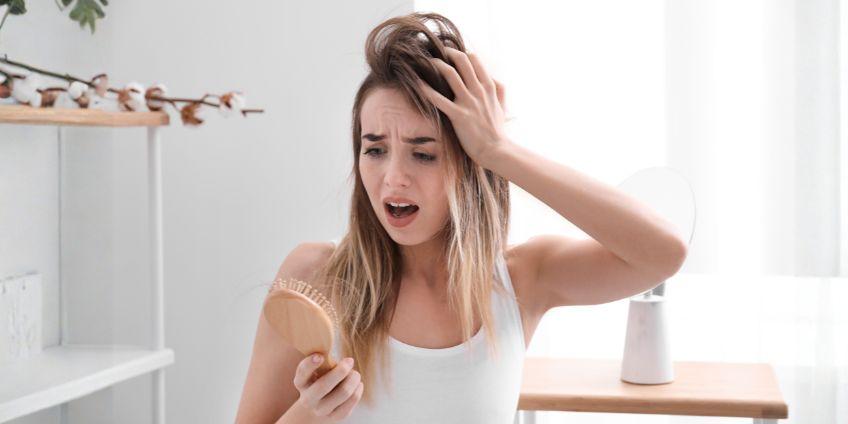
Hair thinning during peri/menopause is common and usually multifactorial (hormonal shifts, genetics, thyroid issues, iron/ferritin, stress, medications). Bioidentical hormone replacement therapy (BHRT) may reduce shedding and improve hair quality in some people by stabilizing estrogen/progesterone levels and improving sleep, mood, and stress tolerance – but it isn’t a stand-alone hair-regrowth treatment. Results are modest and gradual (months), and the best outcomes come from addressing all contributors (thyroid/iron/vitamin D, nutrition, dermatology options like minoxidil). Excess androgen exposure (including too much testosterone) can worsen androgenic hair loss, so dosing and monitoring matter.
Key Points
- Many causes, not just hormones: Menopause, genetics, thyroid, iron/ferritin, vitamin D, stress, and meds can all drive hair loss.
- What BHRT can do: In some, stabilizing estrogen/progesterone can reduce shedding and support hair quality – but BHRT alone is rarely a cure.
- Androgens cut both ways: Appropriate, individualized testosterone may help energy/libido; excess androgens can worsen female-pattern thinning.
- Realistic timeline: Expect months, not weeks. Combine BHRT (if indicated) with topical minoxidil, nutrition (adequate protein, iron if low), thyroid optimization, and stress/sleep support.
- When to see a specialist: Sudden patchy loss, scalp pain/rash, or scarring signs warrant dermatology evaluation.
- Local note: In Boston, MA, we provide testing-informed BHRT, screens for root causes (thyroid/iron), and coordinates with dermatology when needed.
Hair Changes During Peri/Menopause
Hair changes during peri/menopause are common. As estrogen and progesterone fluctuate and decline, hair may move into a shorter growth cycle, leading to increased shedding and perception of thinning – especially at the part line or crown in genetically prone individuals (female-pattern hair loss). At the same time, sleep disruption, stress, and nutrition drift can compound the problem.
BHRT’s role is to reduce menopausal symptoms (hot flashes, sleep issues, mood changes, vaginal discomfort) and stabilize the hormonal environment. For some patients, that stability – plus better sleep and lower stress – can reduce shedding and improve hair texture/quality. But BHRT won’t override genetic pattern loss or fix iron/thyroid deficiencies on its own.
How It Works / What’s Involved
, We start by looking at the whole picture:
- History & pattern: Onset, distribution (diffuse vs part-line widening), recent stressors, pregnancies, medications (retinoids, anti-androgens, SSRIs, etc.).
- Baseline labs (as indicated): Ferritin/iron studies, thyroid panel, vitamin D, metabolic markers; hormone context when clinically appropriate.
- BHRT plan (if indicated): For appropriate candidates, we often consider transdermal estradiol and micronized progesterone (uterus present) at the lowest effective dose, with follow-up in 4–12 weeks.
- Androgen stewardship: We discuss testosterone carefully (often off-label for women). Too much can increase androgenic shedding in genetically susceptible individuals. We monitor symptoms and adjust.
- Adjuncts that matter:
- Topical minoxidil (evidence-based for female-pattern hair loss)
- Protein (aim for consistent daily targets), iron repletion if low, vitamin D if deficient
- Stress/sleep work (BHRT may help indirectly by improving sleep)
- Dermatology options (e.g., anti-androgen therapies, in-office procedures) when appropriate
Is BHRT Right For Hair Loss?
It may help if your hair changes coincide with peri/menopause symptoms and you’re an appropriate candidate for hormone therapy after a risk review. We’ll set realistic expectations: BHRT may reduce shedding and support overall hair quality, but it’s rarely dramatic regrowth by itself. The best plan treats all drivers: nutrition, thyroid, ferritin, stress/sleep, and – if needed – dermatologic therapies.
Who might need a different or cautious approach?
People with a history of estrogen-sensitive cancers, active or prior blood clots, unexplained vaginal bleeding, severe liver disease, or uncontrolled cardiovascular risk may need alternatives or specialist input. If hair loss is sudden, patchy, associated with scalp pain/rash, or shows signs of scarring, we’ll coordinate dermatology promptly.
Safety, Side Effects & Monitoring
When starting or adjusting BHRT, common – usually temporary – effects include breast tenderness, bloating/water retention, headache, mood shifts, skin irritation (with patches/gels), and spotting/irregular bleeding early on. If testosterone is part of your plan, we monitor for acne, oily skin, or increased shedding – signs we may need to adjust dose/route.
Contact the clinic if effects persist or disrupt daily life. Seek urgent care immediately for chest pain, shortness of breath, severe headache/vision changes, one-sided weakness/numbness, calf pain/swelling, or heavy vaginal bleeding.
We practice responsible BHRT informed by testing, with routine follow-ups and shared decision-making. We also offer telehealth (where permitted) to keep check-ins convenient for our Boston patients.
Next steps
If you’re noticing hair thinning along with peri/menopause symptoms, our team here in Boston, MA can evaluate root causes, discuss bioidentical, compounded and FDA-approved options, and coordinate dermatology when helpful. We’ll build a plan that addresses hormones and the other contributors so expectations – and results – stay realistic.
- Learn more about our approach to BHRT for women: BHRT for Women
- Ready to talk it through? Book a discovery call with us.
Sources:
- North American Menopause Society (NAMS). The 2022 Hormone Therapy Position Statement.
- Endocrine Society. Compounded Bioidentical Hormone Therapy Scientific Statement.
- ACOG. Compounded Bioidentical Menopausal Hormone Therapy (Clinical Consensus, 2023).NIH/NCBI. Menopausal Hormone Therapy—risks and benefits overview.
- NIH/NCBI. Menopausal Hormone Therapy—risks and benefits overview.