

A skin abscess is a pocket of pus that forms beneath the skin when the body walls off a bacterial infection. Abscesses can develop anywhere on the body, but they are most common in areas prone to friction, sweating, or hair follicle irritation, such as the armpits, groin, buttocks, inner thighs, and face. They can also form around wounds, insect bites, or areas where the skin has been broken. What starts as a small, tender bump can quickly grow into a painful, swollen mass that may be warm to the touch and surrounded by reddened skin.
At Vitality Family Health in Oak Brook, IL, we provide in-office abscess drainage for both adults and children. The procedure is straightforward, effective, and provides immediate relief. Equally important, we do not just drain the abscess and send you on your way. We evaluate why it formed, treat the infection appropriately, support your recovery with gut-protective strategies when antibiotics are needed, and for patients who experience recurrent abscesses, we look deeper at the underlying factors that may be making you susceptible.
A skin abscess is a localized collection of pus that develops when bacteria, most commonly Staphylococcus aureus (including MRSA strains), enter the skin through a cut, scratch, hair follicle, or area of irritation. The immune system responds by sending white blood cells to the site, and the resulting battle between immune cells and bacteria produces pus, a thick fluid composed of dead white blood cells, bacteria, and damaged tissue. The body walls off this infection by forming a capsule of inflamed tissue around it, creating the characteristic firm, tender, swollen lump.
Small, superficial abscesses may sometimes resolve on their own or with warm compresses. However, once an abscess has matured and developed a significant pocket of pus, it typically will not heal without drainage. Antibiotics alone cannot penetrate the abscess cavity effectively, which is why the standard of care for a mature abscess is incision and drainage (I&D), sometimes combined with antibiotics to treat the surrounding infection.
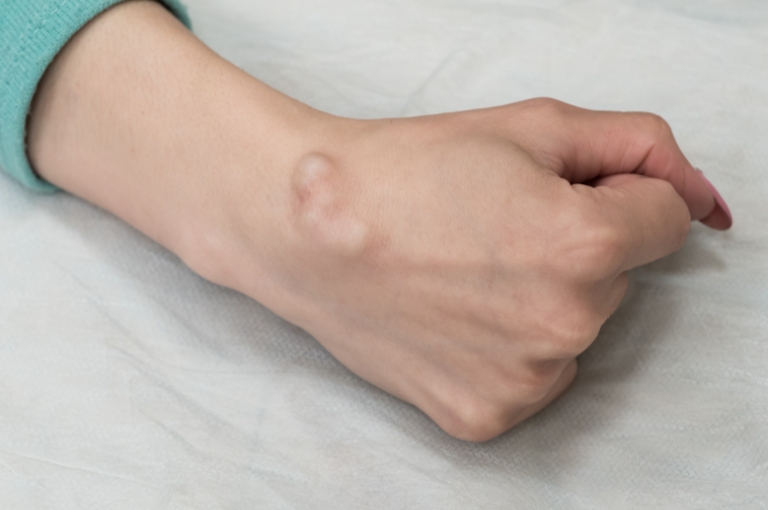
Do you have a painful, swollen lump under the skin that is red, warm, and getting larger?
Has a bump that started small become increasingly tender to the point where it is difficult to sit, walk, or move comfortably?
Are you noticing a white or yellow point forming at the center of a swollen area, suggesting pus is building up?
Have you tried warm compresses or over-the-counter treatments without improvement?
Do you keep getting abscesses in the same area or in multiple locations, and no one has investigated why?
Abscesses develop when bacteria gain entry to tissue beneath the skin. The most common causes include infected hair follicles (folliculitis that progresses to an abscess), clogged sweat glands, minor skin injuries such as cuts, scrapes, or splinters, insect bites that become infected, ingrown hairs (particularly in areas that are shaved or subject to friction), and surgical or injection site infections.
Certain factors increase the likelihood of developing skin abscesses. Poor hygiene or skin care practices, frequent skin-to-skin contact (common in contact sports), shaving in areas prone to friction, and wearing tight or non-breathable clothing can all contribute. Medical conditions that weaken the immune system, including diabetes, chronic kidney disease, HIV, autoimmune conditions, and the use of immunosuppressive medications, significantly increase susceptibility. Obesity and smoking are also associated with higher rates of abscess formation. Individuals who carry Staphylococcus aureus, including MRSA, on their skin or in their nasal passages are at elevated risk for recurrent abscesses.
The hallmark of a skin abscess is a painful, tender lump beneath the skin that develops over days. The overlying skin is typically red, warm, and swollen. As the abscess matures, the lump becomes firmer and more tender, and a visible point or head may develop at the center where pus is closest to the surface. The area may throb or ache constantly, and the pain can be significant enough to interfere with daily activities, depending on the size and location.
Some patients also experience mild fever, fatigue, or a general feeling of being unwell, particularly if the abscess is large or the surrounding infection (cellulitis) is spreading. Red streaking extending away from the abscess, increasing redness that is expanding beyond the immediate area, high fever, or rapid worsening of symptoms are signs that the infection may be spreading and requires prompt medical attention.
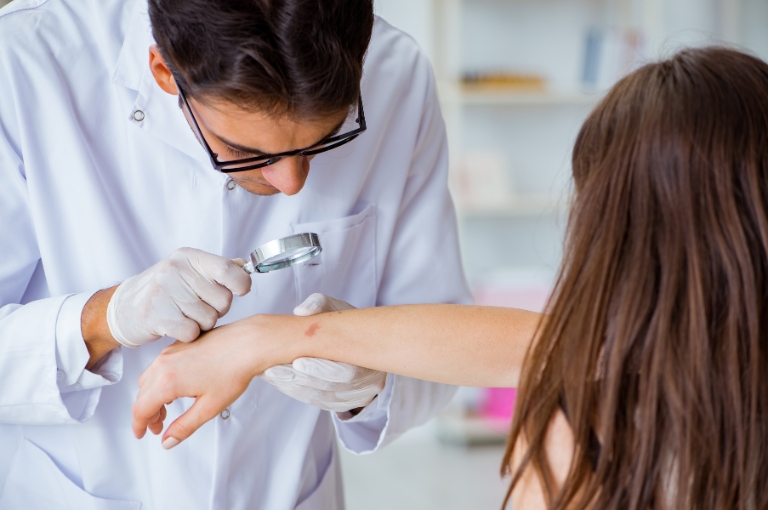
Before any procedure, your provider evaluates the abscess to assess its size, depth, location, and readiness for drainage. We also examine the surrounding skin for signs of cellulitis (spreading infection) and determine whether the abscess is appropriate for in-office drainage or requires referral for a more complex approach. Not all abscesses need to be drained. Small, early-stage abscesses that have not yet formed a defined pocket of pus may respond to warm compresses and close monitoring. Your provider will make this determination based on the clinical presentation.

The area around the abscess is numbed with a local anesthetic (typically lidocaine) to minimize pain during the procedure. We are honest with patients that the injection of anesthetic into inflamed tissue can be uncomfortable for a brief moment, but once the area is numb, the drainage itself is well tolerated. For anxious patients or children, we take a calm, patient approach and explain every step of the process.
Once the area is numb, your provider makes a small incision over the abscess to allow the pus to drain. The cavity is gently expressed and may be irrigated with sterile saline to flush out remaining infected material. In some cases, a small wick or packing strip is placed inside the cavity to keep the wound open and allow continued drainage as the abscess heals from the inside out. This packing is typically removed or changed at a follow-up visit within one to three days.
After drainage, the wound is dressed with a clean bandage. Your provider will give you detailed aftercare instructions, including how to care for the wound at home, when to change the dressing, signs of infection to watch for, and when to return for follow-up. If packing was placed, you will need a brief follow-up visit for removal or replacement. Most patients experience significant pain relief immediately after drainage, as the pressure from the pus collection is released.
Depending on the size of the abscess and the degree of surrounding cellulitis, your provider may prescribe antibiotics to address the bacterial infection. When antibiotics are needed, we also recommend probiotics to support gut health and minimize the disruption that antibiotics can cause to the gut microbiome. This is a small but meaningful detail that reflects our functional medicine approach: we treat the immediate problem while protecting the systems that keep you healthy long-term.
It can be tempting to squeeze, lance, or attempt to pop an abscess yourself, but home drainage carries significant risks. Without sterile technique, you can introduce additional bacteria into the wound, spreading the infection deeper into the tissue or into the bloodstream. Incomplete drainage leaves infected material behind, which almost always leads to recurrence. Improperly draining an abscess near blood vessels, nerves, or sensitive structures can cause injury. And squeezing an abscess can actually push bacteria deeper into surrounding tissue, turning a localized infection into a more widespread one.
Warm compresses applied to the area several times a day can help a small, early abscess come to a head and may promote natural drainage in mild cases. But once an abscess is large, firm, and painful, professional drainage is the safest and most effective path to resolution.
A single abscess is common and usually not a cause for concern beyond treating the immediate infection. But if you experience abscesses that keep returning, whether in the same location or in different areas, it is a signal that something deeper may need attention.
As a functional medicine practice, we investigate the factors that make some patients more susceptible to recurrent skin infections. This may include screening for nasal or skin colonization with Staphylococcus aureus (including MRSA), evaluating blood sugar control (elevated blood sugar impairs immune function and skin healing), assessing immune function and nutritional status (zinc, vitamin D, and vitamin A all play critical roles in skin health and infection resistance), reviewing gut health (a significant portion of the immune system resides in the gut, and microbiome imbalances can weaken systemic immune defenses), and identifying lifestyle factors such as friction from clothing, shaving practices, or hygiene habits that may be contributing. Addressing these root causes can break the cycle of recurrence and significantly reduce your risk going forward.
In-office abscess drainage is a safe, routine procedure when performed by a trained provider. However, certain situations require urgent or emergency medical attention. Seek immediate care if: red streaking is extending away from the abscess, the redness is spreading rapidly beyond the immediate area, you develop a high fever (over 101.3°F / 38.5°C), you experience chills, rapid heart rate, or feel significantly unwell, the abscess is located near the eye, spine, or in the groin with associated swelling, the abscess developed after a surgical procedure or around an implanted medical device, or you have a weakened immune system and the infection appears to be worsening despite treatment.
These signs may indicate that the infection is spreading beyond the abscess and requires more aggressive treatment, potentially including intravenous antibiotics or hospital-based care. When in doubt, contact our office and we will help you determine the safest course of action.
A pimple is typically small, near the surface, and resolves on its own within a few days. An abscess is deeper, larger, more painful, and continues to grow rather than resolve. It is firm, warm, and tender, and the overlying skin is noticeably red and swollen. If you have a lump that is getting larger, increasingly painful, and not improving after a few days, it is likely an abscess that needs professional evaluation.
We numb the area with local anesthesia before making any incision. The injection of the anesthetic into inflamed tissue can be briefly uncomfortable, but once the area is numb, the drainage procedure itself is well tolerated. Most patients report that the pain relief after drainage is immediate and dramatic, because the pressure from the pus collection is released.
The entire visit, including evaluation, anesthesia, drainage, wound care, and aftercare instructions, typically takes 20 to 40 minutes depending on the size and complexity of the abscess.
Not always. Small abscesses that are adequately drained often heal without antibiotics. Larger abscesses, those with significant surrounding cellulitis, or abscesses in patients with risk factors (diabetes, immune compromise) may require a course of antibiotics. When antibiotics are prescribed, we also recommend probiotics to protect your gut microbiome during and after treatment.
In most cases, yes. If packing was placed inside the abscess cavity, it will need to be removed or replaced within one to three days. Even without packing, a brief follow-up visit is typically recommended to confirm the abscess is healing properly and to check for signs of recurrence or ongoing infection.
Yes. Recurrence is relatively common, especially if the underlying cause has not been addressed. Factors like Staph colonization on the skin, elevated blood sugar, immune dysfunction, nutrient deficiencies, and lifestyle habits can all contribute to repeat abscesses. If you experience recurrent infections, we investigate these root causes to help break the cycle.
Yes. We treat both children and adults for skin abscesses. For pediatric patients, we take a gentle, reassuring approach, explain the procedure in age-appropriate terms, and ensure the area is well-numbed before any incision is made.
Abscess drainage is available to members of our practice. If you are not currently a member, we invite you to schedule a discovery consult to learn about our membership model and how it provides access to same-day care and in-office procedures.
The discovery consult is a brief, no-cost conversation where you can share your needs, ask questions, and find out whether Vitality Family Health is the right fit. If we are a good match, we will walk you through the next steps to become a member. There is no pressure and no obligation.
You may also want to read about Acute and Sick Care Visits, Minor Wound Care and Dermabond, On-Site Lab Work, and Our Approach, since abscess drainage is one of the in-office procedures we provide as part of comprehensive primary care.
Medically Reviewed By: Dr Kori Feldman, M.D.
Vitality Family Health & Wellness Partners is located in Oak Brook, Illinois, and serves patients throughout the Greater Chicagoland Area and the entire state of Illinois. These areas include but are not limited to the downtown Chicago area, surrounding suburbs, central, northern, and southern Illinois, and southern Wisconsin and Northwest Indiana.