

What if your annual physical could do more than check a box? What if it could actually catch the problems that are quietly building, years before they become a diagnosis?
Most people think of a yearly checkup as something routine. You sit at a table, answer a few questions, get your blood pressure checked, and your doctor tells you everything looks fine. The visit takes 10 to 15 minutes. You walk out with a clean bill of health. And then, months or years later, you are blindsided by a diagnosis that did not appear out of nowhere. It was building the whole time. It just was not caught.
At Vitality Family Health, we believe your annual well checkup should be the most thorough, forward-thinking medical appointment you have all year. Not a rushed formality, but a deep, unhurried evaluation of your whole health: your labs, your lifestyle, your risk factors, your symptoms, and the early warning signs that standard physicals routinely miss. This is proactive medicine. This is the kind of care that changes the trajectory of your health.
A conventional annual physical is designed to screen for a limited set of conditions using basic vitals, a brief physical exam, and a narrow panel of standard labs. These exams are valuable for what they are, but they were never designed to detect the early metabolic, hormonal, inflammatory, and nutritional changes that drive chronic disease. By the time a standard physical flags a problem, you are often already well into disease, not on the front end of prevention.
A functional medicine annual well checkup goes further. It is built around the principle that the best time to intervene is before disease takes hold, when subtle shifts in blood sugar, thyroid function, hormone levels, gut health, inflammation, and nutrient status are still reversible. Our approach combines a comprehensive health history review, a thorough physical examination, and an expanded panel of lab work that gives us a detailed map of what is happening inside your body. We do not just want to know if you are sick. We want to know if you are truly well.

Do you leave your annual physical feeling like nothing was really addressed, even though you had a list of things you wanted to discuss?
Have you been told your labs are “normal” year after year, but you still do not feel right?
Are you watching your parents or siblings develop heart disease, diabetes, or autoimmune conditions and wondering whether the same thing is quietly happening to you?
Do you feel like your doctor is managing your numbers but never asking the bigger question of why those numbers are moving in the wrong direction?
Have you ever wished your annual checkup was actually designed to prevent problems, not just document them after the fact?
A conventional annual physical typically includes blood pressure, heart rate, height and weight, a brief physical exam, and a basic metabolic panel or complete blood count. Some providers will order a lipid panel and fasting glucose. For women, the visit may include a pap smear or breast exam referral. For men over a certain age, a PSA test might be discussed. This approach catches overt disease. What it does not catch are the earlier, subtler changes that precede disease, often by years or even decades.
For example, a fasting glucose test can remain in the “normal” range until a patient is already prediabetic or diabetic. A standard lipid panel measures total cholesterol, LDL, and HDL but does not assess particle size, lipoprotein(a), or the inflammatory markers that actually drive cardiovascular risk. Thyroid screening, when performed at all, is typically limited to TSH alone, which misses impaired T4-to-T3 conversion, rising thyroid antibodies, and early Hashimoto’s thyroiditis. Hormones, nutrient levels, adrenal function, inflammatory markers, and gut health are almost never evaluated.
The result is that millions of Americans pass their annual physical with flying colors while chronic conditions develop beneath the surface. Six in ten American adults live with at least one chronic disease, and many of these conditions could have been detected, slowed, or prevented with more comprehensive screening. A proactive checkup is not about running unnecessary tests. It is about running the right tests at the right time, based on your individual risk profile, symptoms, and health goals.
Every adult annual well checkup at Vitality Family Health begins with a thorough review of your health history, not just your current medications and past surgeries, but the full picture: your diet, sleep quality, stress levels, energy patterns, bowel habits, menstrual history (for women), exercise habits, work environment, toxic exposures, family history, and the subtle symptoms that may not seem significant on their own but together reveal important patterns. We take the time to listen. This conversation alone often uncovers connections that explain why you have not been feeling your best.

We perform a complete physical examination of all major organ systems, tailored to your age, sex, current health concerns, and individual risk factors. For women, we offer comprehensive well-woman exams including pap smears. The physical exam is an opportunity to assess signs that lab work alone cannot reveal, from thyroid enlargement and skin changes to abdominal tenderness and lymph node evaluation.
This is where a functional medicine checkup differs most significantly from a conventional physical. Rather than relying on a minimal panel, we can order labs that give us a much more complete picture of your metabolic, hormonal, immune, and nutritional health. Depending on your history, symptoms, and risk factors, testing may include:
Metabolic and cardiovascular markers: fasting glucose, fasting insulin, hemoglobin A1c, comprehensive lipid panel with particle size analysis, lipoprotein(a), high-sensitivity C-reactive protein (hs-CRP), homocysteine, and uric acid.
Thyroid function: TSH, free T4, free T3, thyroid peroxidase antibodies (TPOAb), and thyroglobulin antibodies (TgAb). This full panel detects dysfunction and autoimmunity that a TSH-only test routinely misses.
Hormones: estradiol, progesterone, testosterone (total and free), DHEA-S, cortisol patterns, and sex hormone-binding globulin (SHBG). Hormonal shifts often begin years before they are clinically obvious, and early detection allows for early intervention.
Nutritional status: vitamin D, B12, folate, ferritin, iron panel, magnesium, and zinc. Deficiencies in these critical nutrients are extremely common, frequently undetected, and directly impact energy, mood, immune function, and thyroid health.
Inflammatory and immune markers: hs-CRP, ESR, ANA, and other markers as indicated. Chronic low-grade inflammation is a root driver of nearly every major chronic disease, and identifying it early is a powerful tool for prevention.
Gut health and food sensitivity testing: comprehensive stool analysis, food sensitivity panels (IgG/IgA), celiac screening, and markers of intestinal permeability when gut-related symptoms or autoimmune risk factors are present.
Additional specialized testing: Based on your individual needs, we may also recommend HPA axis (adrenal) testing, advanced cardiovascular panels, heavy metal assessment, or other targeted evaluations.
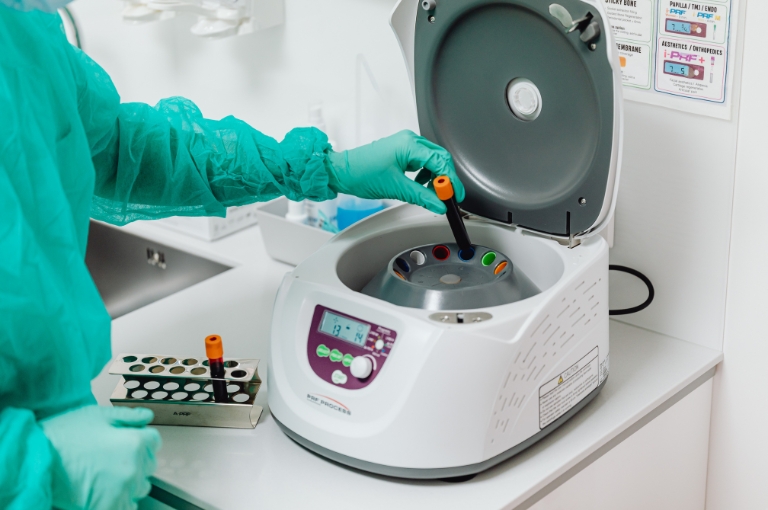
Your checkup is not just about data collection. It is about building a plan. Based on what we learn from your history, exam, and labs, we provide personalized diet and lifestyle guidance to help you make meaningful, sustainable changes. This may include nutritional recommendations, sleep optimization, stress management strategies, movement and exercise guidance, and targeted supplementation. We give you the knowledge, tools, and support to take an active role in your health between visits.
We also ensure that you are current on all age-appropriate and risk-appropriate preventive screenings recommended by national guidelines, including cancer screenings (mammography, colonoscopy, cervical cancer screening), bone density assessment, cardiovascular risk assessment, and immunizations. We coordinate with specialists when referrals are needed and serve as your central hub for comprehensive, whole-person care.
Chronic disease does not appear overnight. Heart disease, type 2 diabetes, autoimmune conditions, hormonal imbalances, and metabolic dysfunction all develop gradually, driven by years of inflammation, nutrient depletion, hormonal shifts, gut disruption, and environmental stress. The conventional model of health care is largely reactive: wait for symptoms to become severe, then diagnose and medicate. Functional medicine flips this approach. We look for the earliest signs of imbalance and address them before they become disease.
Early detection is not just better medicine. It is easier medicine. Reversing prediabetes is far simpler than managing established diabetes. Calming early autoimmune activity is more effective than trying to repair tissue damage after years of unchecked inflammation. Optimizing a declining thyroid before you need lifelong medication gives you options that disappear once the gland is significantly damaged. The annual well checkup is where this proactive approach begins.
An annual well checkup is preventive care, and by its nature, is safe. However, if you are experiencing symptoms that require urgent attention, do not wait for a scheduled checkup. Seek immediate medical care or consult 911 if you experience chest pain, difficulty breathing, sudden severe headache, one-sided weakness or numbness, confusion, loss of consciousness, uncontrolled bleeding, high fever with stiff neck, signs of a severe allergic reaction (difficulty breathing, swelling of the face or throat), or suicidal thoughts.
If testing ordered at your checkup reveals a finding that requires urgent follow-up, our team will contact you promptly and coordinate appropriate next steps, including referrals to specialists when necessary. Your safety and well-being are always our first priority.
The biggest differences are depth and time. A conventional physical typically takes 10 to 15 minutes and relies on basic vitals and a narrow set of labs. Our checkups are unhurried. We spend time reviewing your full health history, lifestyle factors, and symptoms that might seem minor but can signal early imbalance. Our lab panels go well beyond the basics to evaluate thyroid function, hormones, inflammatory markers, nutrient levels, and metabolic health. We do not just check whether you are sick. We evaluate how well your body is actually functioning and create a personalized plan to keep it that way.
Lab work is tailored to each patient based on your age, sex, symptoms, health history, family history, and risk factors. A standard panel at our practice is significantly more comprehensive than what most conventional providers order. It may include a full thyroid panel (not just TSH), fasting insulin, advanced lipid markers, inflammatory markers, vitamin D, B12, ferritin, hormones, and other tests based on your individual needs. We will discuss which labs are appropriate for you and why.
This is one of the most common things we hear from new patients. “Normal” on a standard panel does not always mean optimal. Conventional reference ranges are very broad and are based on population averages, not on where your levels should be for you to feel your best. Additionally, many conventional panels do not include the markers we consider essential, such as free T3, thyroid antibodies, fasting insulin, vitamin D, ferritin, or inflammatory markers. A more comprehensive evaluation often reveals patterns that explain persistent symptoms like fatigue, weight gain, brain fog, and mood changes.
Vitality Family Health is a membership-based functional medicine practice. We recommend contacting our team to discuss how membership works and what is included. Many preventive services we order may be eligible for insurance reimbursement, and we can provide guidance on submitting claims to your insurance provider. The expanded functional medicine testing that goes beyond standard panels is typically not covered or valued by insurance but provides significantly more clinical information than a conventional workup.
For most adults, we recommend a comprehensive annual evaluation. If you are managing a specific condition, undergoing hormone optimization, or working through a treatment plan, you may benefit from more frequent visits and lab monitoring throughout the year. Your care plan is always individualized.
Yes. We offer comprehensive well-woman exams including pap smears, breast exams, and reproductive health discussions as part of our practice. We recommend for these exams to be performed at a separate visit from your annual checkup so we have enough time to devote to both important types of annual visits.
Absolutely. Family history is one of the most important inputs in your annual evaluation. If heart disease, diabetes, thyroid conditions, autoimmune disorders, or cancer run in your family, we use that information to guide which screening tests and preventive strategies are most important for you. Our goal is to get ahead of the conditions your genetics may predispose you to, rather than waiting for them to develop.
Yes. Lab result reviews, diet and lifestyle counseling, supplement guidance, and follow-up appointments can often be conducted via telehealth for patients anywhere in the state of Illinois. The physical examination component of your annual checkup does require an in-person visit at our Oak Brook office.
The discovery consult is a brief, no-cost conversation where you can share your health concerns, ask questions about our approach, and learn whether Vitality Family Health is the right fit for you. If we are a good match, we will walk you through the next steps to schedule your comprehensive evaluation. There is no pressure and no obligation.
You may also want to read about Hormonal Imbalances, Thyroid Imbalances, Gut Health, Heart Health, Prediabetes, and Our Approach, since the conditions we screen for during your annual checkup span these areas of care.
Medically Reviewed By: Dr Kori Feldman, M.D.
Vitality Family Health & Wellness Partners is located in Oak Brook, Illinois, and serves patients throughout the Greater Chicagoland Area and the entire state of Illinois. These areas include but are not limited to the downtown Chicago area, surrounding suburbs, central, northern, and southern Illinois, and southern Wisconsin and Northwest Indiana.