
Medically Reviewed By: Dr Kori Feldman, M.D.
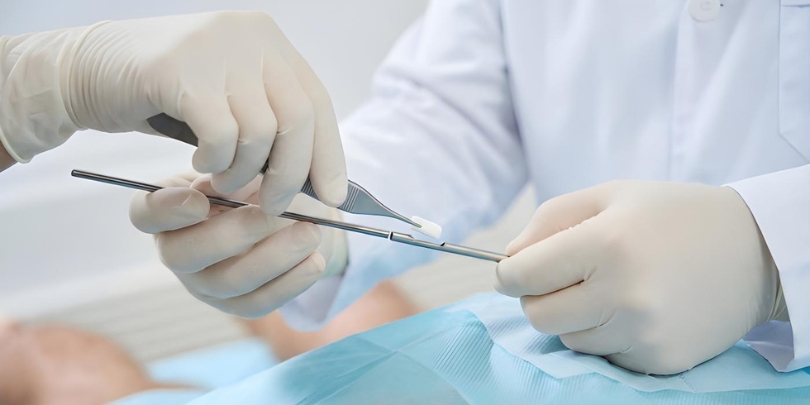
Thinking about bioidentical hormone pellets and wondering what the actual procedure looks like? Here’s a clear, step-by-step overview from Vitality Family Health in Oak Brook, Illinois, so you can decide with confidence.
BHRT (Bioidentical Hormone Replacement Therapy) pellets are tiny, custom-compounded cylinders—usually estradiol and/or testosterone—that are placed just under the skin. They dissolve slowly over months, delivering a steady hormone level. Pellets are one of several BHRT delivery options (others include patches, gels, injections). The right option depends on your goals, health history, labs, and preferences.
Pellets are typically inserted into the fatty tissue (subcutaneous layer) of the upper outer buttock or hip area. This spot is chosen because it’s discreet, has good blood flow for steady absorption, and allows you to sit and move comfortably afterward.
Time in office: Most insertions take about 10–20 minutes once you’re roomed, with only a few minutes of actual procedure time.
You’ll feel a quick pinch and burn during the numbing injection. After that, most people describe only pressure or tugging—not sharp pain—during pellet placement. Mild soreness or bruising at the site for a few days is common and usually manageable with simple measures like cold packs and OTC pain relievers if approved for you.
Some people notice changes within days; for others, it builds gradually over 2–6 weeks as levels stabilize. Your response depends on dose, baseline levels, metabolism, and goals (e.g., hot flashes, sleep, mood, libido, energy). We’ll review how you’re feeling and repeat labs as appropriate.
Most women reinsert every ~3–4 months and most men every ~4–6 months, though timing varies. We base reinsertion on your symptoms, goals, and lab trends—not the calendar alone.
Pellets may be considered for adults in perimenopause, menopause, or andropause who want a “set-and-forget” option with steady delivery. That said, pellets aren’t the only choice—and they’re not right for everyone. We always review your medical history (e.g., breast or prostate health, clotting risk, cardiovascular risk, liver health, migraines, mood history) and current medications before recommending any therapy.
Our approach is “safety first.” We follow shared decision-making based on your goals, symptom relief, and the best available evidence, including the limitations and uncertainties around compounded hormones.
Most people return to desk work the same day. Plan to skip vigorous lower-body exercise and submersion (pools, hot tubs, baths) for several days. Avoid direct pressure on the site (e.g., tight waistbands) for the first 24–48 hours.
If you’re BHRT-curious and want a simple, steady option, pellets may be worth a conversation. Book a discovery consult with Vitality Family Health.
You can also learn more about our services and approach:
Dr. Feldman is a licensed, board-certified Family Medicine physician. She completed medical school at Rosalind Franklin University of Medicine and Science in North Chicago.
Vitality Family Health & Wellness Partners is located in Oak Brook, Illinois, and serves patients throughout the Greater Chicagoland Area and the entire state of Illinois. These areas include but are not limited to the downtown Chicago area, surrounding suburbs, central, northern, and southern Illinois, and southern Wisconsin and Northwest Indiana.